
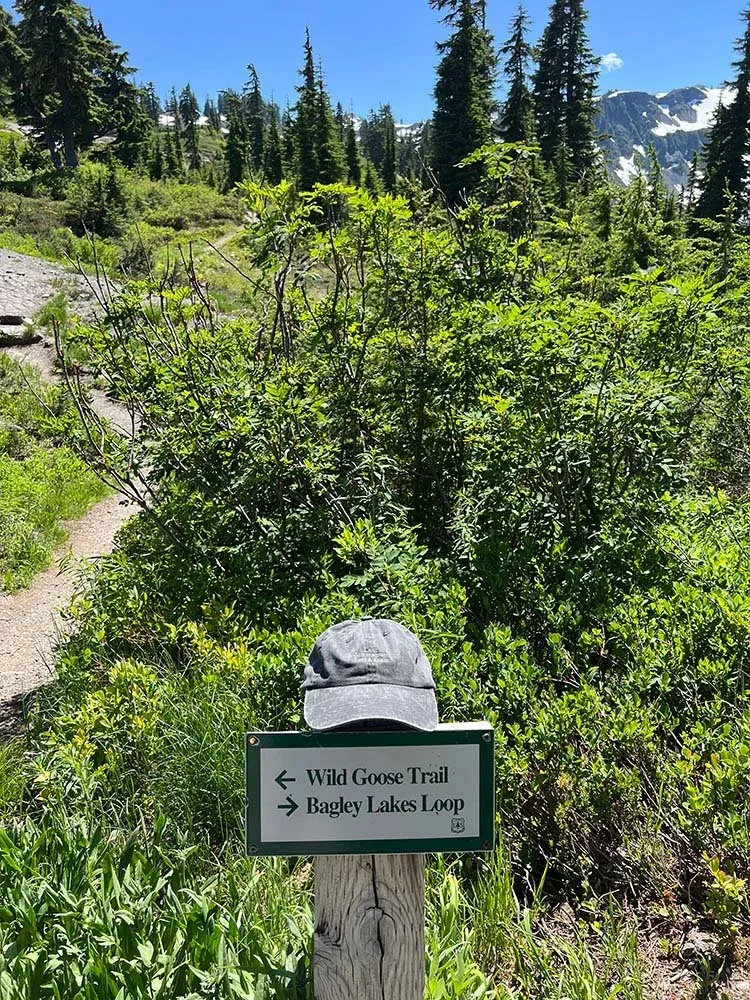
Trail hiking offers rewarding views and a sense of accomplishment. Whether you are exploring trails near Mt. Baker or planning a high-altitude hike, prepare for the route, elevation, and conditions. These foot care tips can help you get ready.
Proper footwear
Choose hiking boots that provide good ankle support and traction, especially on rocky or uneven terrain. Ensure that your boots are broken in before hitting the trail to prevent blisters and discomfort. Consider wearing moisture-wicking socks to keep your feet dry and prevent blisters.
Pace yourself
Higher elevations can make physical activity more demanding. Pace yourself and take breaks, but do not assume that rest breaks alone prevent altitude illness. For a high-altitude trip, review CDC guidance on travel to high altitudes and discuss any health concerns with a clinician before departure.

Foot care
Inspect your feet regularly during breaks to check for hot spots, blisters, or other issues. Address any discomfort promptly to prevent worsening conditions. Pack basic blister care supplies and know how to use them if needed.
Hydration
Plan an adequate water supply for your route and conditions. Hydration needs vary with activity and health; follow any fluid restrictions or other guidance from your clinician.
Proper planning
Before heading out on a high-altitude hike, familiarize yourself with the trail, weather conditions, and terrain. Pack essentials such as a map, compass, first-aid kit, and extra clothing layers. Inform someone of your hiking plans and expected return time.
By following these foot health tips, you can better prepare yourself for trail hiking at high altitude and reduce the risk of foot-related issues. Remember to listen to your body, take breaks as needed, and enjoy the journey while staying safe and comfortable on the trail.

This article provides general information and is not a substitute for individual medical advice. For questions about your own foot or ankle health, contact the clinic.